
Cactus Leather

Cactus leather: an evolving plant-based alternative
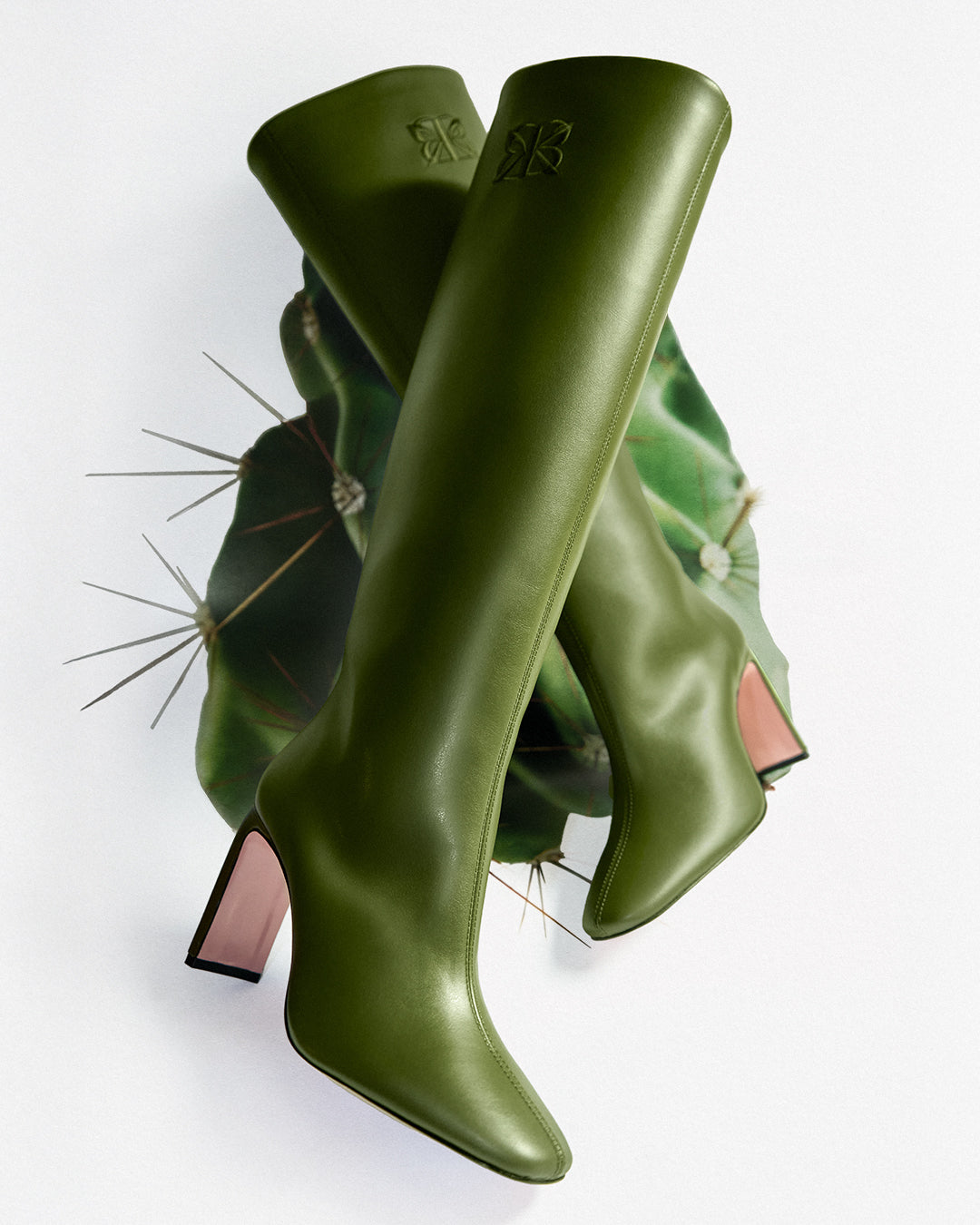
Cactus leather is a bio-sourced material developed notably by the company Desserto in Mexico. It is made from nopal leaves, a cactus capable of growing in arid environments with very few resources. The leaves are harvested without damaging the plant, then dried naturally before being transformed into a flexible, resistant material suitable for the leather goods industry.
This material is part of the new generation of alternatives to animal leather. It is not entirely plant-based, but offers a hybrid approach that addresses current industry challenges.
An alternative to animal leather with reduced impact

The appeal of cactus leather lies in its reduced environmental footprint compared to many conventional materials. Its cultivation requires very little water, with plantations generally being non-irrigated and dependent on natural rainfall. It does not contribute to deforestation and does not use animal tanning processes.
While not a perfect solution, cactus material offers a more responsible alternative, allowing for a rethinking of certain industry practices while maintaining design's technical requirements.
A technical material with promising qualities
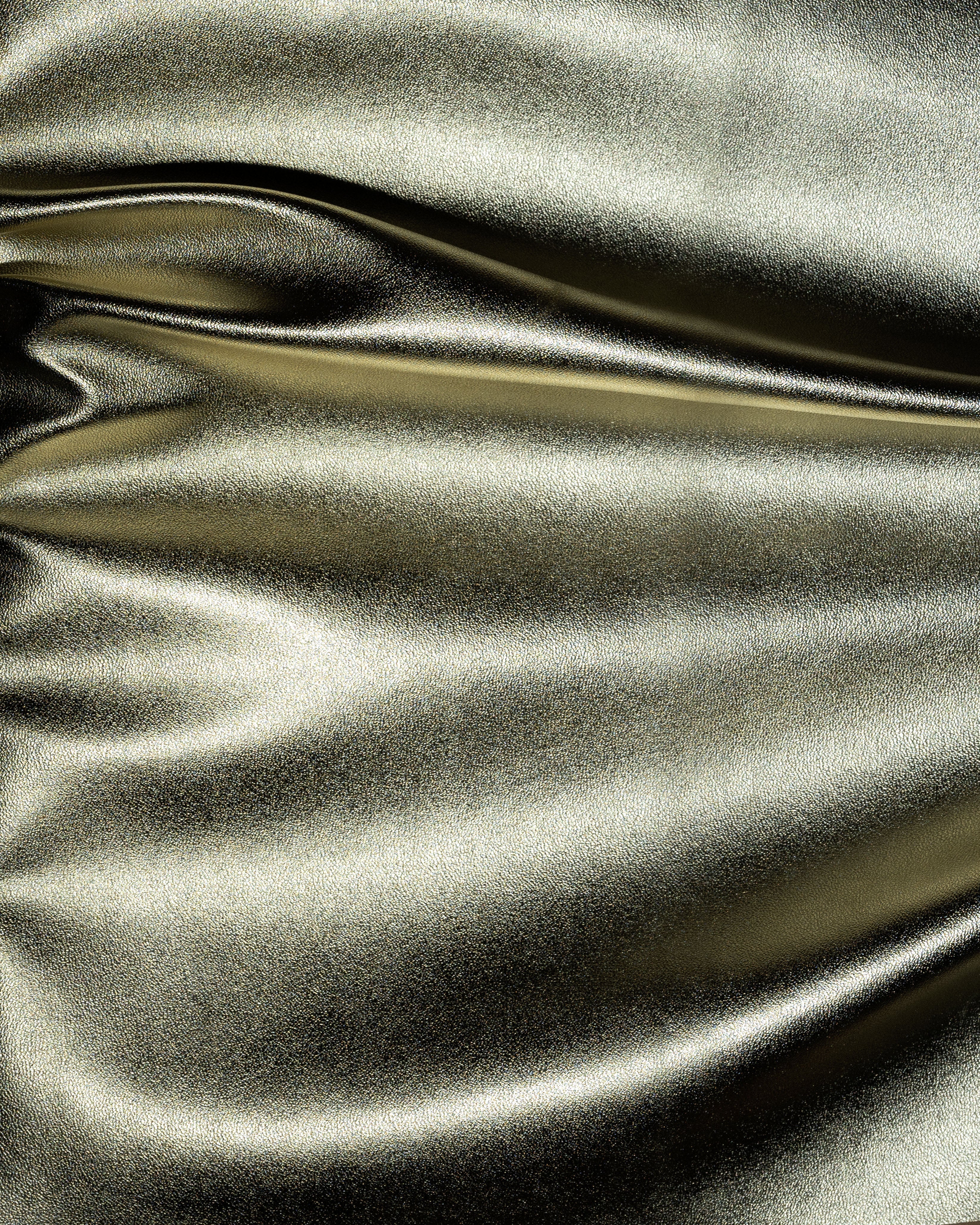
Beyond its environmental positioning, cactus leather offers interesting functional properties. Its flexible texture, breathability, and good wear resistance make it a suitable material for creating bags, shoes, and accessories.
It is not merely a symbolic substitute, but a genuinely usable material in the design of durable and functional pieces.

An innovation still evolving
Like many alternative materials, cactus leather is still in development. Manufacturing processes are evolving rapidly, with continuous improvements in finishes, durability, and the diversity of available textures.
This evolving dimension is essential: it places cactus leather within a dynamic of transition rather than as a fixed solution.
The limitations of cactus leather
It is important to understand that cactus leather is not a 100% plant-based material. It relies on a textile base to which polymer components are added, necessary to guarantee its stability and resistance over time.
Its production is also still recent, with limited volumes, which implies a higher cost than some conventional materials.
BIKKOU's choice of cactus leather

At BIKKOU, we are not looking for perfect materials. We are looking for materials that are consistent with our vision of contemporary design and luxury.
Cactus leather is part of this approach. It allows us to gradually reduce our impact, explore new textures, and offer desirable alternatives, without compromising on aesthetics or quality.
This is not a final solution, but a step. An imperfect, yet concrete transition, reflecting an industry in motion and a desire for evolving practices.